Seedling Greenhouses: A Strategic Inventory For Wholesale And Retail Garden Market Actors
Aug 04, 2025
Introduction
Retail trends show a clear consumer shift toward self-sufficiency and season extension. Coupled with families average spending and 2025's industry index, actors in gardening wholesale and retail shall focus their efforts on stocking low-cost gardening supplies this year. Stocking seedling greenhouses and small grow house kits are among the best options for businesses to meet both a growing demand and limited budgets. Most importantly, seedling greenhouses sales are not as seasonal as other greenhouse products. And they can drive year-round engagement.
These compact but efficient growing structures offer home growers and small farms alike the chance to increase productivity and reduce growing risks for vegetables, perennials, and other plants. As Mr Popov once said, "A seedling greenhouse is not just a greenhouse. It's a great loss leader, as long as you stock the right range of greenhouse kits with it." It is our opinion that little greenhouses both targets a large customer segment, and efficiently drives sales of small greenhouses supplies, tools and consumables.
What Is a Seedling Greenhouse?
A seedling greenhouse is very much like an incubator. A freestanding greenhouse structure with a cover that creates a microclimate suitable for seeds to sprout. For more information, read our "what is a seedling greenhouse?" blog.
What are seed starting greenhouses used for?
These greenhouses are used to start seeds. If this is a new subject to you, take a quick look at this Seed Starting Guide. These smart, usually little gardening structures can turn seasonal gardening into a year-round growing success. Equipped with a coated frame, clear greenhouse cover, and shelves, they allow rotation of the seedling trays inside the greenhouse.
"A seedling greenhouse is not just a greenhouse. It's a great loss leader, as long as you stock the right range of greenhouse kits with it."
D. Popov [Russian garden suppliers wholesaler]
Reasons for businesses to stock small greenhouses for seed starting
Seedling greenhouses are pretty simple products that are perfect for retailers to stock for a number of reasons. We have listed some below:
- Seedling is the first step of any home grown plant project. It offers wholesalers and retailers the opportunity to get new customers involved with their product range at the very beginning. It is a great opportunity for them to establish a strong customer pool, and introduce one's products.
- Nursery shelved greenhouses can easily be positioned as loss leaders because they are simple and straightforward products with a low technological value. A cheap seedling greenhouse is bound to leave an impression with your customer base that your brand is affordable and worth returning to for other supplies such as potting soil., hanging baskets, plant care products.
- Seedling rates in controlled environment are usually higher than outdoor. It means that success rate is not only higher, but density is increase, which allows for more plants to grow, and logically more fruits/vegetable plants to eat in the end. Common knowledge coupled with basic arithmetic shows that seedling greenhouses are mostly likely to outperform cheaper options (i.e: diy trays left on a window sill or patio).
- The sense of happiness shared by many users in greenhouse seedling reviews participates, and the fact that the branded greenhouses participated to it, anchors a positive opinion towards the seller's product range.
In a nutshell, retailers can position seedling greenhouses and small backyard greenhouses as performance tools for home and market gardeners. These units improve germination rates, shield vulnerable starts from harsh conditions, and allow growers to control their growing schedule with greater accuracy. The result? A more informed and successful customer base that returns for supplies, seeds, potting soil, and ongoing support.
Type of little greenhouses for germination
Stocking a diverse range of seedling greenhouse types enables garden centers to serve hobbyists, educators, and small-scale farmers alike:
- Mini Greenhouses: preferred by beginners with a very low budget. The mini greenhouses are tiny portable greenhouses that can only accommodate a very limited number of seeds.
-
Tier Greenhouses : both beginners and amateurs first greenhouse choice, they bring enough vertical space to allow for several trays of seedlings to sprout at once. They take very little space, fit easily in a corner, on a patio or laid against a wall.
-
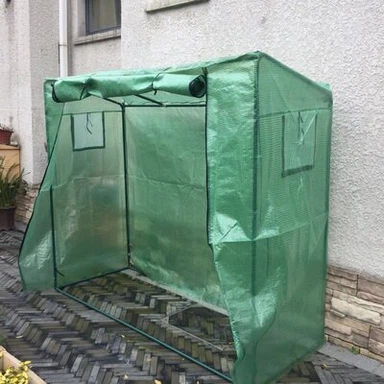
Walk-in Greenhouses : larger multi-function greenhouses at budget price, they offer more choices to garden hobbyists. Many gardeners use this type of freestanding greenhouse as a sprouting structure, a shelter for fragile plants, and a greenhouse supplies shed.
From a returning consumer to one of our clients:
"It (the green house with shelves) was so helpful that I need to find something bigger to try more vegetables seeds".
A great example of how offering entry-level models of little greenhouses can trigger long-term customer investment in their growing environment.
Greenhouse Features that Sell Themselves
Today's customers are seeking more than shelter-they want systems that work for various plants, whether it's shrubs, houseplants and even orchids. Greenhouses with ventilation, optional heat mats, and durable shelves perform better in customer gardens, creating more positive outcomes. Retailers should train staff to highlight ease of use, temperature control, and layout efficiency for different types of plants. Dr. Dana Simons from Purdue University advises, "Light and heat are just the beginning. The real challenge is consistency." Helping your customers solve that challenge creates lasting trust and encourages them to explore more options, from air plants to fruiting trees.
How to Recommend and Merchandise Them
Placement and guidance make a big difference in category performance. Positioning seedling greenhouses with other seed starting equipment makes a lot of sense. But what of customers who have never heard of seed sprouting?
Your heart is full of fertile seeds, waiting to sprout.
Morihei Ueshiba.
An example of a successful sales strategy would be to put your low-cost greenhouse for seeds on end-aisle display, completed by a visual that could read "Start your food sufficiency program for ____ USD only!".
Providing simple, printed guides or QR-code access to digital how-to content for plant care is another strategy. Based on our experience with retailers, many potential consumers actually decide not to invest because they have not been properly informed. Customers who understand the product, its specifications, and can set realistic expectations usually translate into sales success are more likely to invest.
Lastly, you may answer customers demand by selling complete starter solutions for their small greenhouse or backyard greenhouse setup. That is, a greenhouse package that includes the tier greenhouse itself, plus starting trays, starting potting mix, heating mats, etc…
Best Practices to Share with Customers
When customers buy greenhouses, they buy into a process. Offering simple guidance on plant spacing, or seed planting calendar, airflow management, etc… builds authority and encourages future purchases of seeds, potting soil, and other supplies. Encourage success by sharing region-specific timelines and soil mix advice for different plants, from vegetables to perennials.
During a trade event in the USA, a local grower noted,
"The most overlooked factor is airflow. Good air makes good plants."
See if your marketing team, greenhouse supplier, can come up with a mall greenhouse advantages leaflet, signage and online materials that increase upselling opportunities for your garden center or succulents nursery.
Indoor or Outdoor germination?
Anyone considering growing plants will ask if they should starting seeds indoor or outdoor. A salesperson able to provide a general answer, as well as a detailed, location-specific answer will be more likely to trigger a sales driven by trust. To help you, here are a few takeaways on the question by using an analogy : consider that seeds are like athletes
1) Indoor propagation with a greenhouse kit.
Athletes (seeds) need to be trained indoors before they can perform on the track, or in the pool. Indoor seed starting PROS:
- Temperature : easier to control and stabilize indoor.
- Lighting : always possible to complement with grow lights
- Pests : close to zero hassle
- Wind & rain : indoors? Problem solved.
2) Outdoor propagation with a greenhouse kit.
Athletes (seeds) can not train well when cut from their practice environment. That is, water for any kind of swimmer, or a pool table for a snooker player. Outdoor starting PROS: need to be trained indoors before they can perform on the track, or in the pool. Indoor seed starting PROS:
- Lighting : the sun caters to it! Even if you don't see it.
- humidity : humidity rates are usually better outdoor
- ventilation : close to no human interaction needed, nature's your best ally.
While indoor setups protect seedlings from harsh weather, and high temperatures, gardeners should monitor humidity and ventilation closely as to avoid root rot. As for outdoor propagation, the challenge is to protect the seedlings from elements, insects etc… . Gardeners may prefer cold tolerant crops or a supplemental heat source in that case.
The best solution may be to set the greenhouse on a patio, balcony, or any place considered a good compromise between the indoor and outdoor.
Avoid high return rates and bad little greenhouse reviews
By stocking reliable greenhouses, small greenhouse kits, and educating your customer base, your business will not only cater to a more successful garden hobbyists clientele, but create trust, thus returning customers.
Share general knowledge to help customers avoid common pitfalls like leggy seedlings, mildew, and root rot in their vegetables and other plants.
Put forward a comprehensive range of cheap bulbs-starting-specific soil, adjustable ventilation systems, and well-draining seedling trays to minimize complaints and product returns. By reducing the number of failed attempts, you will get greater brand loyalty from consumers, whether they're growing vegetables, flowers, or exotic plants.
Cost, Margin, and Market Impact
While seedling greenhouses may be loss leaders, they have tremendous effect on other seed starting products such as and small greenhouse kits are high-ROI items, especially in DIY-friendly or eco-conscious markets. Entry-level models offer 30%+ margin, while advanced kits can bring even more. Offering complementary products-like timers, heating mats, and premium seed mixes for vegetables and flowers-multiplies revenue per customer. According to a Greenhouse Grower's article by Delilah Onofrey, there is a great advantage for large retailers to conduct loss leader strategy.
Conclusion
For wholesalers and garden centers, seedling greenhouses are more than a seasonal trend-they're a category that cultivates deeper customer relationships and long-term sales. By enabling growers to start growing specialty plants, or seasonal flowers with small greenhouses, you position your business as a partner in their success. Whether your customers are prepping herbs for sale, nurturing potted plants, or growing heirloom vegetable plants for personal use, seedling greenhouses offer a compelling path from potential to performance in plant growth and gardening success.